Tibetans in Nepal-Overview
Historically, Tibetans in Nepal have a long and deeply rooted history shaped by ancient cultural ties, shared Buddhist traditions, and the arrival of Tibetan refugees in Nepal during the mid-20th century. As a result, the Tibetan community in Nepal continues to preserve its language, religion, and cultural identity while living across various Tibetan refugee settlements in Kathmandu, Pokhara, and other regions of the country. Moreover, Tibetan culture in Nepal continues to thrive through monasteries, refugee settlements, traditional medicine, festivals, and daily community life.
Ancient Connections Between Nepal and Tibet
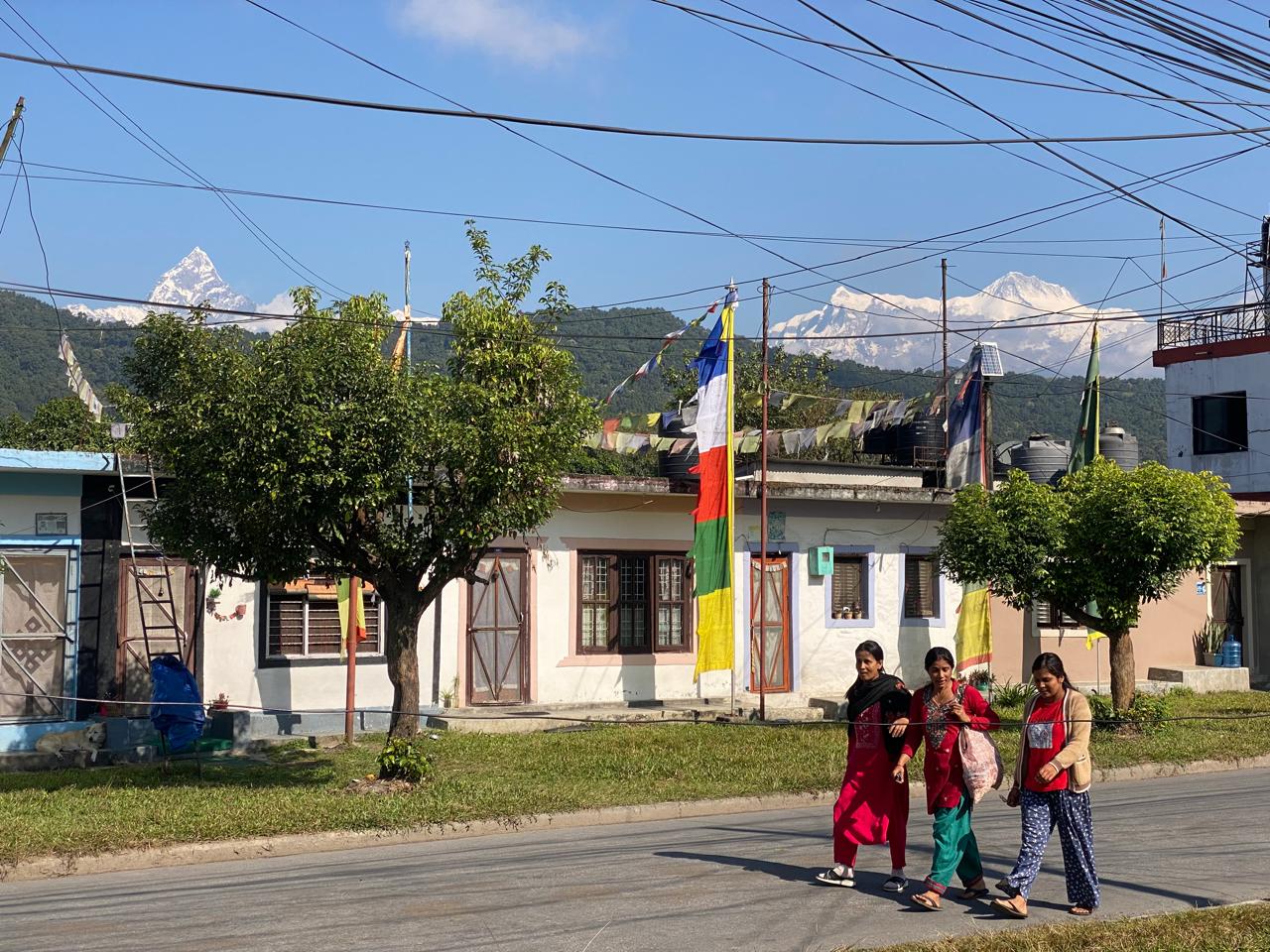
Nepal and Tibet have shared strong cultural, diplomatic, and economic ties for centuries. In fact, these connections date back to ancient times.
In the 7th century, Tibet’s King Songtsen Gampo strengthened relations by marrying Princess Bhrikuti of Nepal. At the same time, he also married Princess Wencheng of China. Together, these royal marriages played a key role in bringing Buddhism to Tibet.
- Princess Bhrikuti brought an image of Aksobhya Buddha to Tibet. In addition, she is traditionally credited with building Ramoche Temple, where the statue was placed. Because of her contribution, Tibetans honor her as “Belsa” (Nepalese wife) or “Tritsun” (Royal Lady).
- Similarly, Princess Wencheng carried an image of Sakyamuni Buddha as a young prince. This sacred image was later placed in Trulnang Temple, now known as Jokhang Temple. Therefore, Tibetans respectfully refer to her as “Gyalsa” (Chinese wife). Together, these ancient ties form the foundation of the history of Tibetans in Nepal and their continued cultural presence today.
These ancient ties form the foundation of the history of Tibetans in Nepal and their continued cultural presence today.
Tibetan communities in Nepal
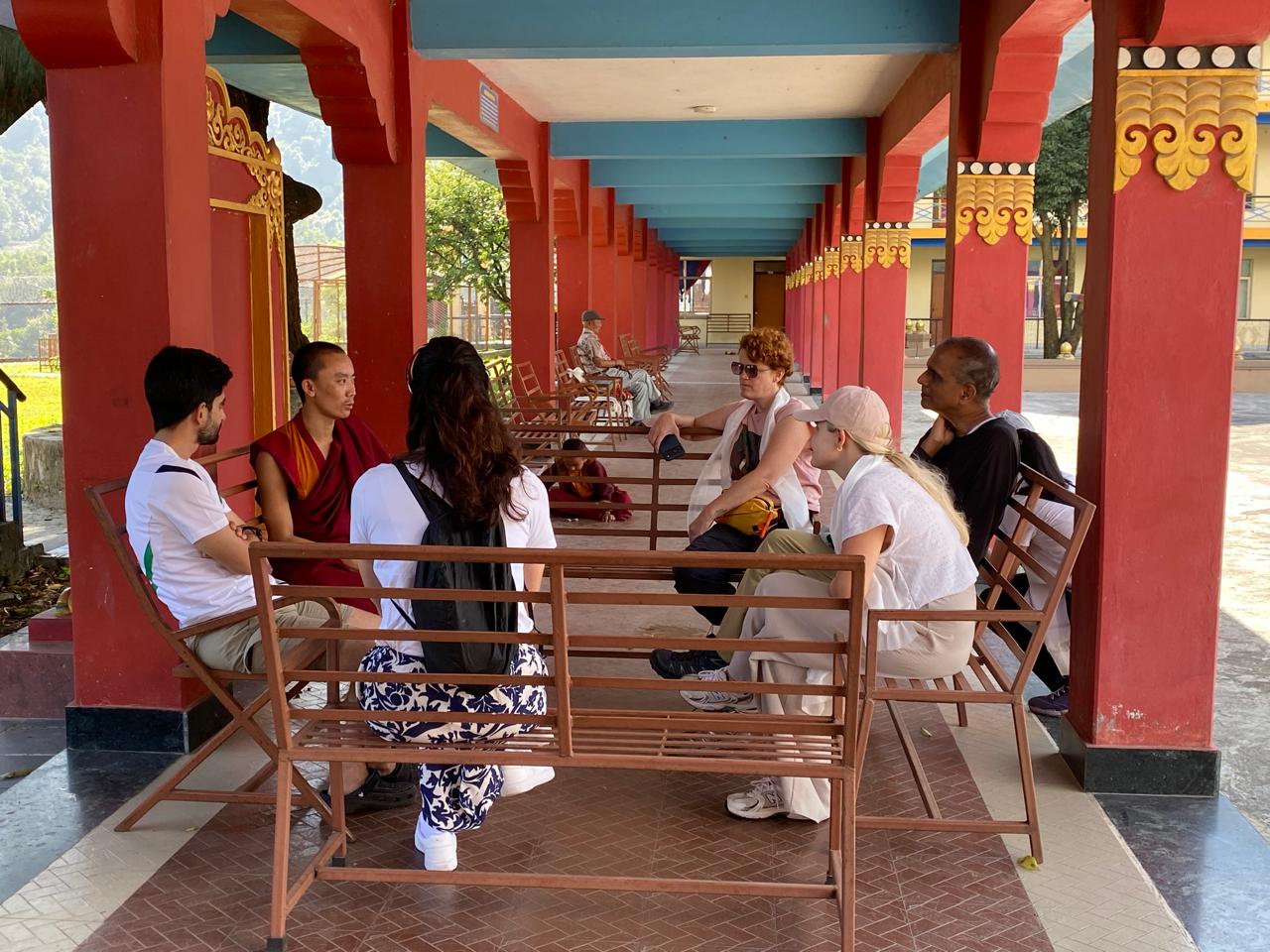
For centuries, Nepal has shared a deep cultural and historical connection with the Tibetan people. Over the past several decades, Tibetan communities have established meaningful lives in Nepal, contributing significantly to the country’s rich cultural and spiritual diversity.
Despite limited resources, Nepal has provided a welcoming and supportive environment where Tibetan traditions, customs, and spiritual practices have been carefully preserved and passed down through generations. Monasteries, cultural institutions, and community life continue to reflect these enduring traditions.
The Tibetan community expresses deep appreciation for the warmth and hospitality of the Nepali people. This mutual respect and support have enabled Tibetans to sustain their cultural identity while living away from their ancestral homeland.
To gain deeper insight into Tibetan heritage, daily life, and spiritual traditions, we invite you to join one of our thoughtfully designed Tibetan Cultural Day Tours, led by knowledgeable local guides.
Providing Aid to Tibetan Refugees – In the Early Years
In May 1960, Nepal requested support from the International Committee of the Red Cross (ICRC) and other humanitarian organizations to assist refugees arriving in the country, providing them with shelter and essential aid during a difficult time
History of Tibetan Refugee Settlements in Nepal
In the early 1960s, the Government of Nepal allocated land for Tibetan refugees. As a result, four “temporary” settlements were created:
- Chialsa – Located in the Solu Khumbu mountain region, east of Kathmandu.
- Tashi Palkhiel – Situated near Pokhara.
- Dhorpatan – Established in western Nepal.
- Jawalakhel – Positioned on the southern edge of Kathmandu.
Later, the Nepal Red Cross Society (NRCS), founded in 1963, purchased land for these settlements. Importantly, this was done with funding from the United Nations High Commissioner for Refugees (UNHCR).
Tibetan Community and Culture in Nepal Today
Today, the Tibetan community in Nepal has preserved its rich cultural identity. This preservation is visible through monasteries, traditional medicine, education, and strong community life. Furthermore, Tibetan culture in Nepal is especially evident in religion, festivals, and community cooperation across refugee settlements.
Tibetan Settlements in Nepal
Today, more than a dozen Tibetan settlements continue to thrive across Nepal. These communities are located in several key regions, including:
Kathmandu Valley: Jawalakhel, Boudha, Swayambhunath, and Jorpati
Pokhara Region: Tashi Palkhiel, Tashi Ling, Paljorling, and Jampaling
Northern and Central Nepal: Dhorpatan, Chialsa, Chairok, Shabrus, and Lumbini
Most of these settlements were established during the early to mid-1960s, with further development taking place through organized resettlement efforts in the 1970s. Over time, these settlements have grown into well-established communities.
Today, each settlement typically includes important cultural and social institutions such as a gompa (monastery), chorten (stupa), school, and health clinic. These centers play a vital role in preserving Tibetan religious traditions, education, and community life.
Collectively, Tibetan settlements in Nepal reflect the history of Tibetans in Nepal and their enduring presence, highlighting the community’s resilience and commitment to preserving cultural heritage while contributing meaningfully to Nepal’s social and cultural landscape.
Population of Tibetan Refugees in Nepal
The total number of Tibetan refugees in Nepal has changed over time. In 1959, around 20,000 Tibetans arrived during the initial period of displacement. Later, additional refugees arrived, while many others emigrated to third countries.
Overall, according to a 2009 demographic survey, the Tibetan refugee population in Nepal is estimated at 13,500.
Tibetan Refugee Settlements in Pokhara
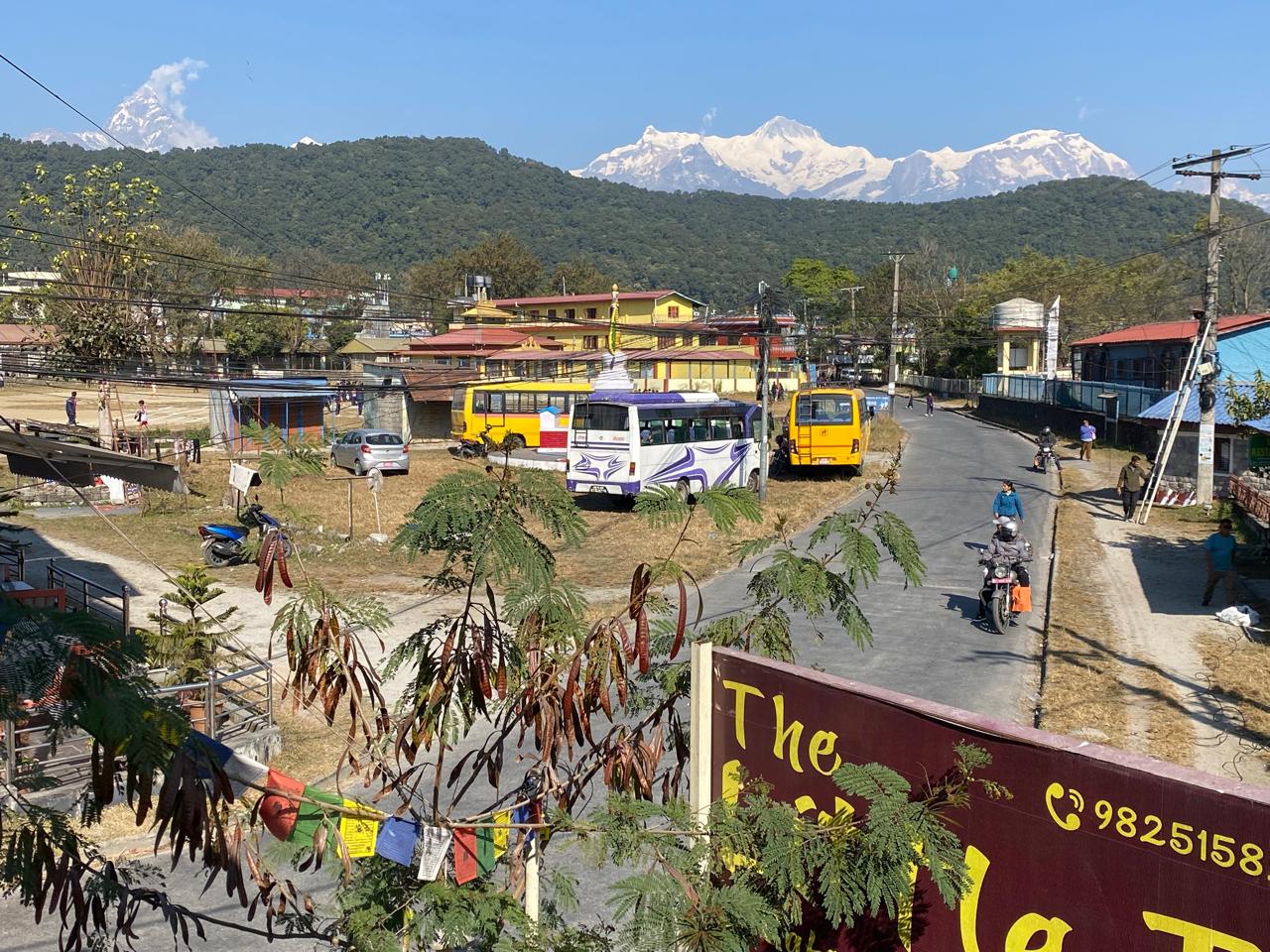
Pokhara is home to four Tibetan refugee settlements, established in the 1960s by Tibetan refugees who arrived in Nepal after 1959. Today, these settlements are home to thousands of Tibetan refugees and continue to preserve Tibetan culture, traditions, and rich Buddhist heritage. Monasteries, prayer flags, traditional homes, handicraft workshops, and daily religious practices reflect a strong Tibetan identity. Visiting these communities offers a meaningful insight into Tibetan history, culture, and the resilient lives of Tibetan refugees living peacefully in Pokhara.
1) Tashi Palkhel (Established 1962)
Tashi Palkhel is located in the northern suburbs of Pokhara. Today, this settlement is home to around 100 to 150 Tibetans.
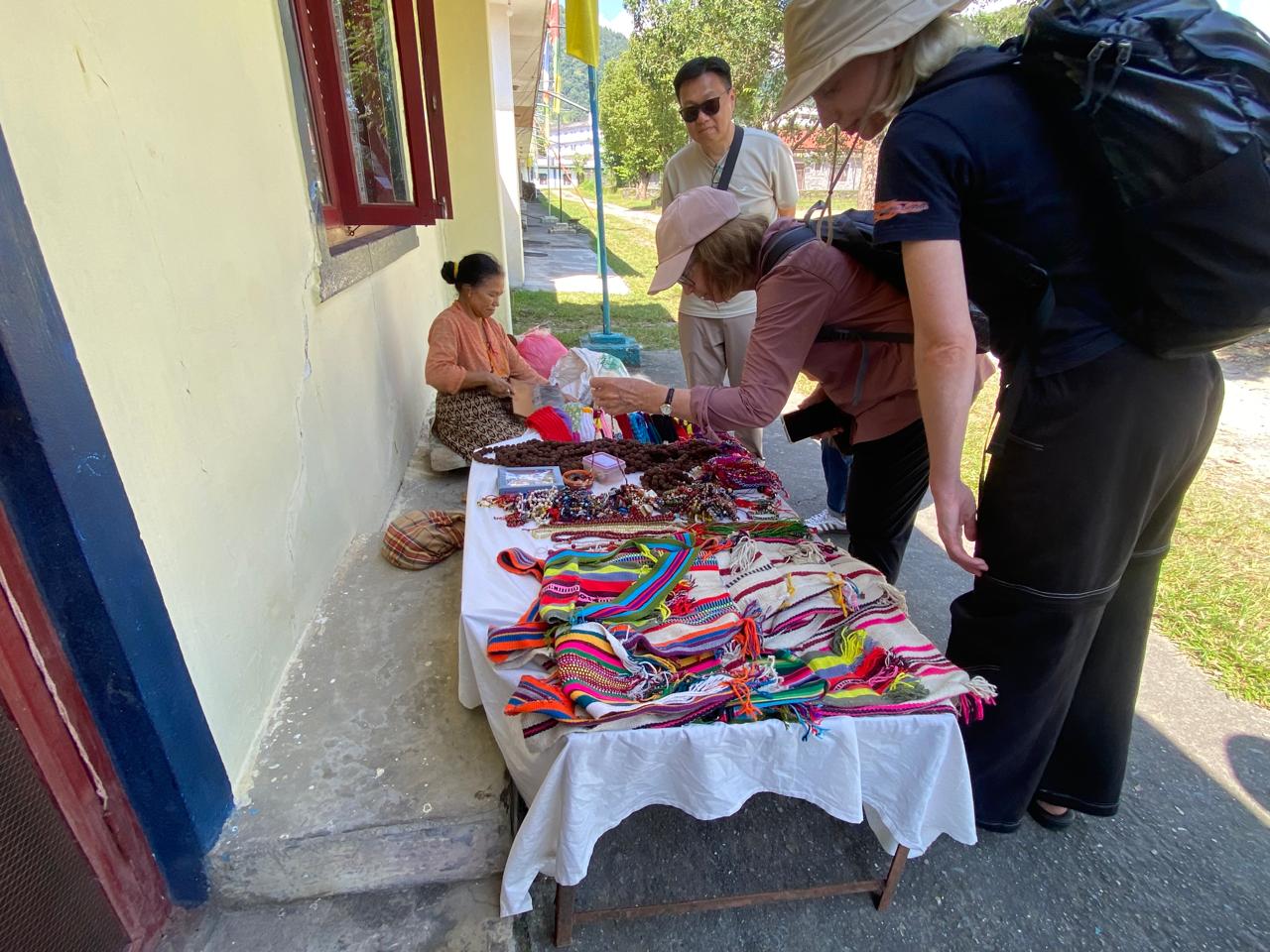
The main source of income for residents comes from selling souvenirs and running restaurants. In addition, the community has facilities include schools, a modern dispensary, a Tibetan Traditional Medical Center, carpet showroom and a monastery.
2) Tashi-Ling (Established 1964)
Tashi-Ling is located on the southern side of Pokhara. It was originally set up by the United Nations High Commissioner for Refugees (UNHCR) as a temporary camp.
At its peak in 1964, around 1,000 Tibetans lived here. However, the population has since declined to approximately 150–200, as many residents migrated to Europe, Canada, and the United States.
Today, the community earns a living through souvenir businesses, restaurants, and a carpet showroom. Likewise, facilities include schools, a modern dispensary, a Tibetan Traditional Medical Center, carpet workshop and showroom and a small monastery.
3) Paljorling (Established 1972)
Paljorling was originally established to support the resettlement and rehabilitation of Tibetan refugees from the Mustang region. Today, it is home to Tibetans from various backgrounds.
Located in the heart of Pokhara, it is the smallest settlement by land area. Currently, around 100 to 150 Tibetans live here.
4) Jampaling (Established 1975)
Jampaling is one of the two main settlements established to resettle Tibetans who had previously lived in the Mustang region. It is located about an hour east of Pokhara, along the road to Kathmandu.
Facilities in Jampaling include a monastery, a school, a dispensary, and an elderly care home. At present, the population is about 150 to 200 Tibetans.
Discover the Story of Tibetan Refugees in Nepal
Are you curious about the culture of Tibetan refugees in Nepal?
At Tibetan Encounter Day Tours, we offer a unique and immersive experience. Through our tours, you can learn about Tibetan life—both past and present.
👉 This cultural experience is designed and operated by Tibetan Encounter, a locally run Tibetan travel company dedicated to preserving and sharing authentic Tibetan heritage with travellers in Pokhara.
Why Choose Our Tibetan Cultural Tour?
- Small-group tours designed for a more personal and immersive experience
- Unhurried itineraries that allow for meaningful conversations and deeper understanding
- Expert local guides sharing firsthand stories and in-depth cultural knowledge
- Authentic insights into Tibetan life, heritage, and living traditions in Nepal
Ultimately, join us for a meaningful and enriching journey into the heart of Tibetan culture in Nepal.
Read What Our Guests Are Saying
See why travellers from around the world love our Tibetan Cultural Day Tours in Pokhara.
Likewise Read our 5-star reviews on TripAdvisor and see why guests love our Pokhara Tibetan Cultural Experience.

Book Your Tour Today!
We offer seven unique Tibetan cultural tours in Pokhara, each designed to suit different schedules and interests. To begin, simply click on the tour names below to explore detailed itineraries, activities, and cultural highlights.
- Morning Tibetan Cultural Tour Pokhara
- Morning Half Day Tibetan Cultural Tour
- Full Day Tibetan Cultural Tour Pokhara
- Half Day Tibetan Cultural Tour
- Afternoon Tibetan Cultural Tour
- Sarangkot Sunrise Morning Tibetan Cultural Tour in Pokhara, Nepal
- Sarangkot Sunrise Morning half day Tibetan cultural Tour
Discover Nepal
Click the Links Below for Pokhara Tibetan Cultural Tours, Trekking, Sightseeing, Day Hikes & Things to do in Pokhara
- Pokhara Tibetan Cultural Tours
- Best Treks in Nepal – Annapurna, Everest, and Beyond
- Best things to do in Pokhara
- Day Hikes in Pokhara
- Best Pokhara Sightseeing Tours
Contact us today for more information and tour pricing details.